
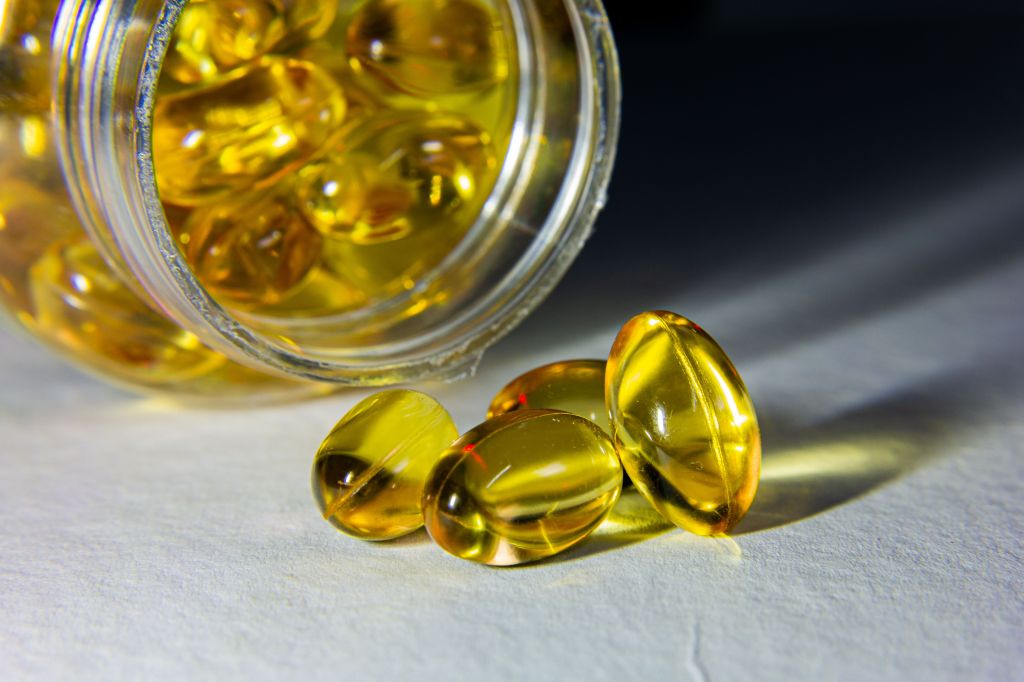
You’ve probably heard that Vitmain D3 is important – but why? And just how much do you need? Opinions vary widely, but it’s safe to say you’re likely not getting enough of it unless you’re supplementing.
You’re likely deficient
If you live in North America, or Europe the likelihood of Vitamin D deficiency is high. We’re talking 22-100% likely1, based on blood values that may be outdated as they’re only looking at bone health2, meaning the actual figure may be closer to the 100% side of the scale. It’s low in food that we eat, so we only get it from the sun; you need to get decent sun exposure for the sunny parts of the year consistenly to build up your stores for the winter. Fall through spring, the sun is lower in the horizon and the atmosphere blocks some of the light wavelengths we need for vitamin D production, meaning even on a sunny day during these times you can’t make much.
What does Vitamin D do?
Vitamin D has been shown to be beneficial for many different health outcomes: It may or may not reduce your chances at cancer, but it certainly seems to improve outcomes if you do get cancer.2 It also seems to reduce autoimmune disease by 22% on its own!4 That’s huge. In general it seems to have benefits for your immune system, even just if how often you get sick, and that’s not even getting into it’s mental health and cardiovascular benefits. Safe to say you need Vitamin D3 if you’re not already taking it.
How much do you need?
Great question – and the jury is still out! Some of the best data we have suggests a daily intake of 2,000 IU for the aformentioned health benefits.3 Anecdotally some patients report their immune issues and headaches improve at 4,000 IU every day. Careful though, as too much could lead to problems with calcium that can make issues like heart disease and muscle aches worse. 20-30 minutes of sun exposure during peak months can make upwards of 20,000+ IU, but when your skin is doing the work it can reduce this production so you won’t get toxic; Supplements are a different matter. It would take daily doses of 10,000 IU for quite a few months to get your levels to a concerning issue if you’re low, but don’t play with your health as a risk. Your Naturopathic Doctor (me!) can test your levels if you’re uncertain, and monitor your dosing to make sure you’re not playing with fire.
-Kahlen Pihowich
Sources:


Leave a Reply